


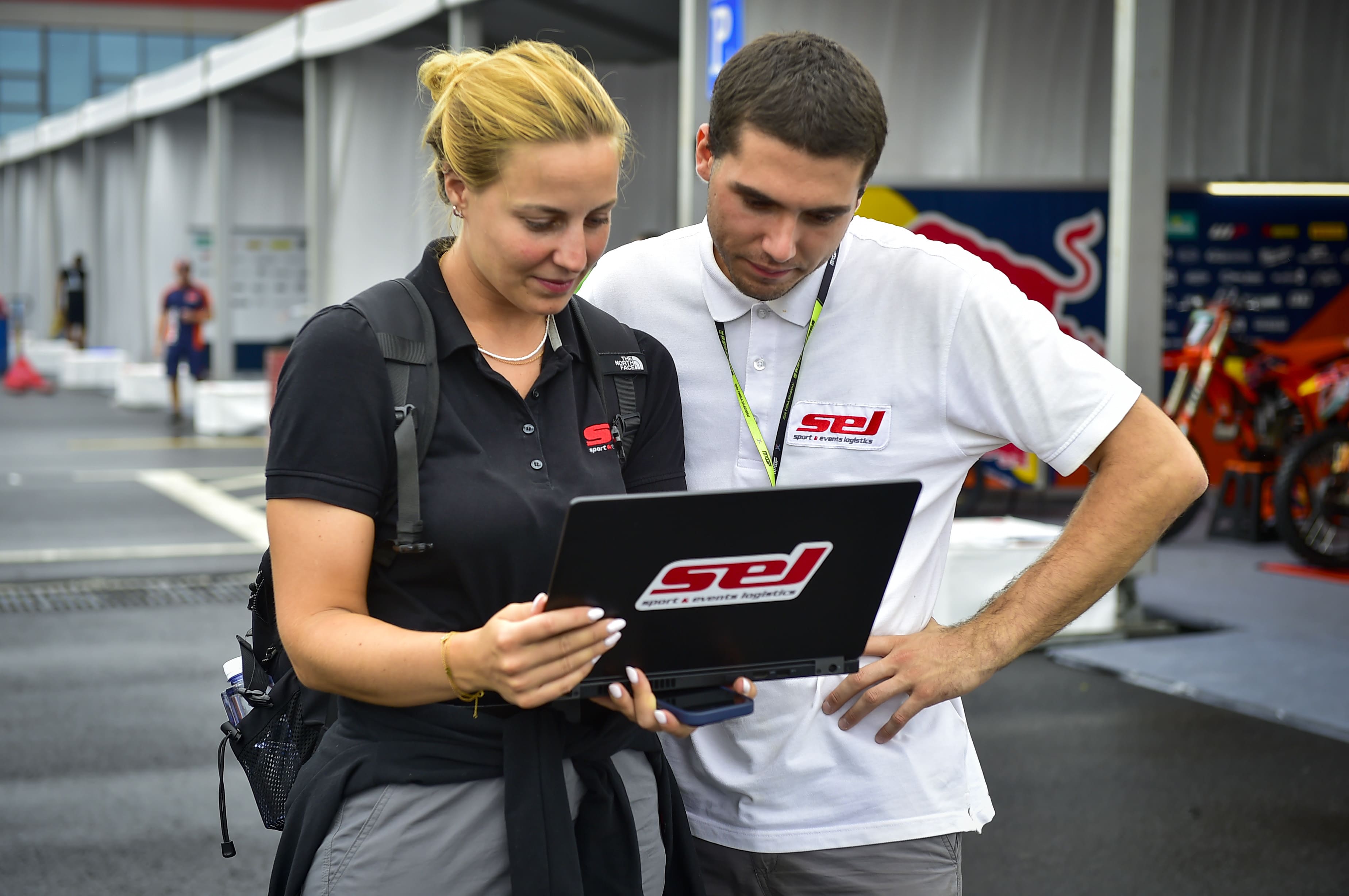
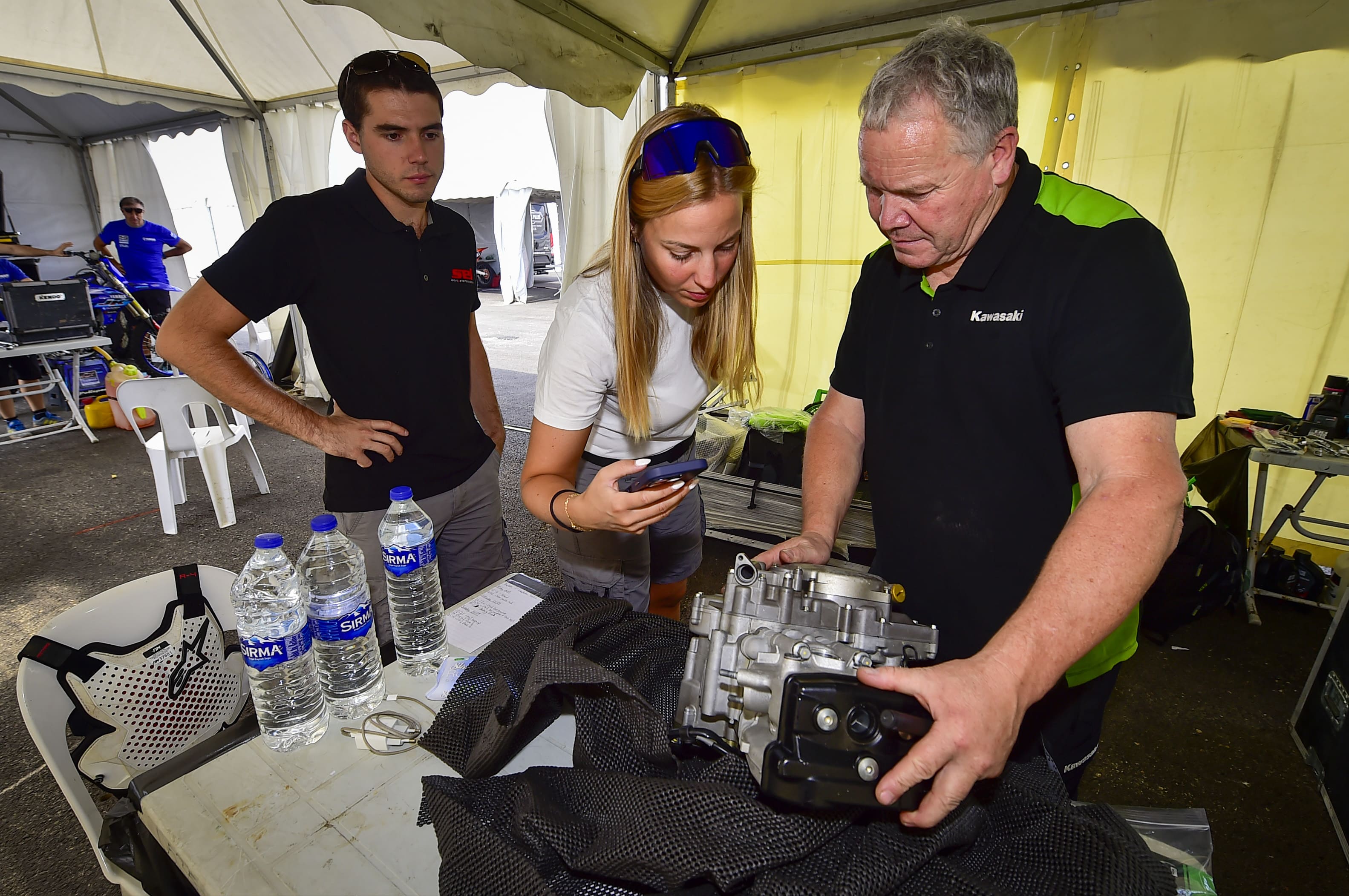
Behind every race weekend, there is a complex process of planning, coordination and timing management involving people, bikes, equipment, materials and multiple stakeholders.
For the MXGP China round, SEL managed the intercontinental operation following the previous race in Turkey, coordinating logistics and travel activities for teams, sponsors, suppliers and staff.
From Europe to China: managing people
Around 300 people travelled to China from different locations across Europe, each with different schedules, requirements and travel needs.
SEL's Travel team coordinated the entire journey, from flight planning and accommodation selection to transfers at destination.
For groups of this size and with a demanding race schedule, finding the right accommodation means taking into account the needs of the different teams and, above all, the distance from the circuit.
The goal is to ensure that people and vehicles reach every destination on schedule, minimising travel time and ensuring maximum efficiency throughout the trip.
From Turkey to China: the journey of bikes and equipment
At the same time as the people were travelling, the race bikes, technical equipment and materials required for the race weekend were also on the move.
The race materials departed directly from Turkey, host of the previous Championship round, and travelled to China according to a carefully planned schedule coordinated with the teams' arrival.
SEL managed every stage of the operation: from material collection and transportation to customs procedures and final delivery.
Coordinating people and equipment at the same time
The complexity of an intercontinental MXGP operation lies in bringing different journeys together towards the same goal.
On one side, hundreds of people travelling from different European countries. On the other, bikes, equipment and materials travelling from the location of the previous race.
Two independent flows that need to be carefully planned and synchronised so that, upon arrival in China, everything is ready: the people, the bikes, the equipment and everything required for the race weekend.
It is work that often happens behind the scenes, but makes all the difference when distances and schedules are demanding and every detail needs to work according to plan.
Sports logistics is all about precision
For SEL, managing an international operation means connecting people, materials, destinations and timelines, coordinating every stage of the journey with one goal: ensuring continuity throughout the sporting event.
The Chinese round of MXGP was another example of teamwork and coordination in managing the complexity of an international sporting event.
Because before a race can begin, there is a long journey to organise.
And behind every race weekend, there are people working to make sure everything is ready on time.
Next stop: Australia.
Restate sintonizzati!


